巴塞罗那 (Barcelona) 全景漫步攻略:圣家堂、巴特罗之家、奎尔公园、凯旋门与哥特区
Barcelona (Barcelona) Field Guide: Sagrada Família, Casa Batlló, Park Güell & Barri Gòtic
📍 漫步路线:圣家族大教堂 (Basílica de la Sagrada Família) ➔ 巴特罗之家 (Casa Batlló) ➔ 奎尔公园 (Park Güell) ➔ 圣十字圣保罗医院 (Recinte Modernista de Sant Pau) ➔ 巴塞罗那凯旋门 (Arc de Triomf) 与城堡公园 (Parc de la Ciutadella) ➔ 哥特区主教堂 (Catedral de Barcelona) ➔ 巴塞罗内塔海滩 (Platja de la Barceloneta)
冬日漫步巴塞罗那 (Barcelona),地中海的清冽微风与加泰罗尼亚冬日清透的蓝天,构成了这座建筑之城最舒朗的背景。本篇游记完整收录了我们在巴塞罗那 4 日深度漫步中记录下的 14 处真实光影实景。读者可随时通过左侧常驻的书籍手账目录(手机端可点击右下角目录书签)实时定位当前章节,随心查阅各个景点的实拍机位与实用避坑指南。
⛪ 1. 圣家族大教堂:诞生与受难双面立面 (Basílica de la Sagrada Família)
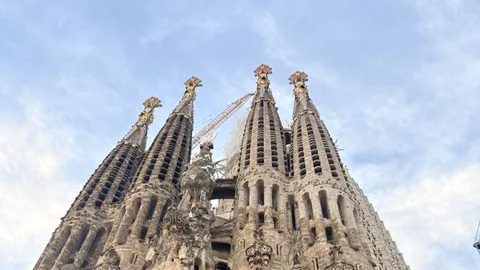
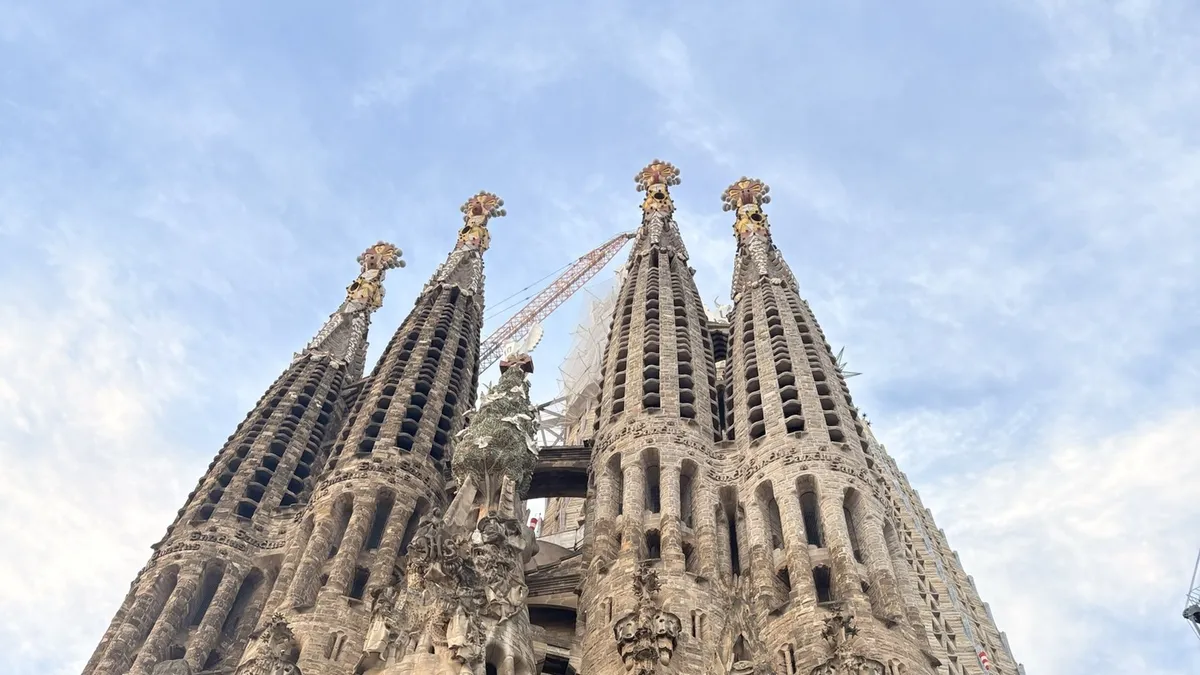
作为安东尼·高迪 (Antoni Gaudí) 倾注毕生心血的旷世遗作,圣家族大教堂 (Basílica de la Sagrada Família) 无论远观还是近看都令人叹为观止。教堂最神奇之处在于其截然不同、风格迥异的两大主立面。
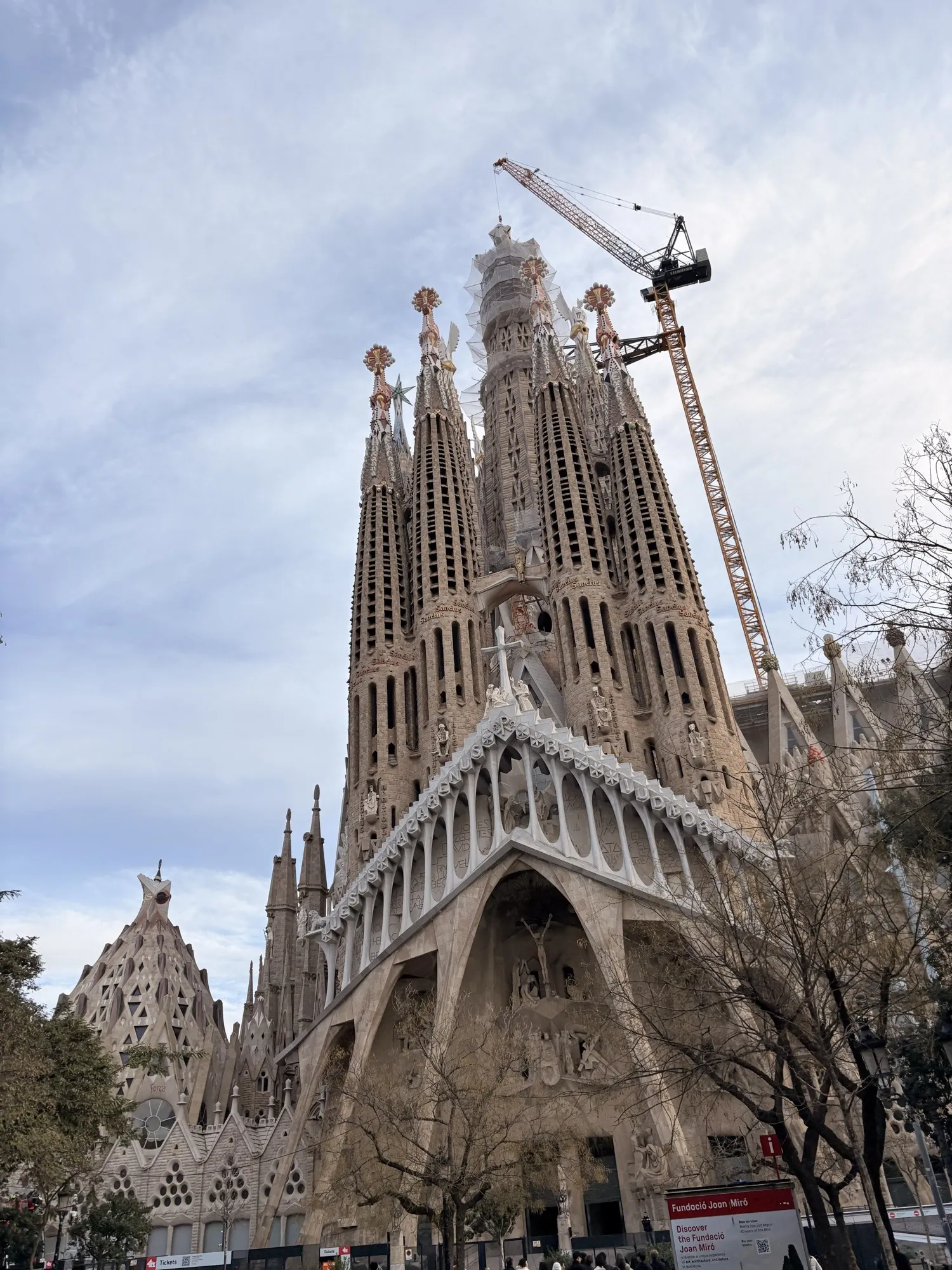
清晨阳光首先倾洒在东北侧的 诞生立面 (Fachada del Nacimiento) 上,高迪以繁复精妙的大自然雕刻,将石块幻化成生生不息的繁茂枝叶、洞穴石笋与圣经群雕,四座高耸挺拔的镂空尖塔直刺苍穹。而转步走到西南侧的 受难立面 (Fachada de la Pasión),画风则陡然一转——线条变得峻峭棱角分明,宛如人体的肋骨与受刑的紧绷筋络,展现出截然相反的悲壮张力。走近诞生立面的拱门下方,抬头仰望,满壁细腻繁复的石雕圣家族壁画如瀑布般从高处倾泻而下,极具震颤人心的工艺力量。
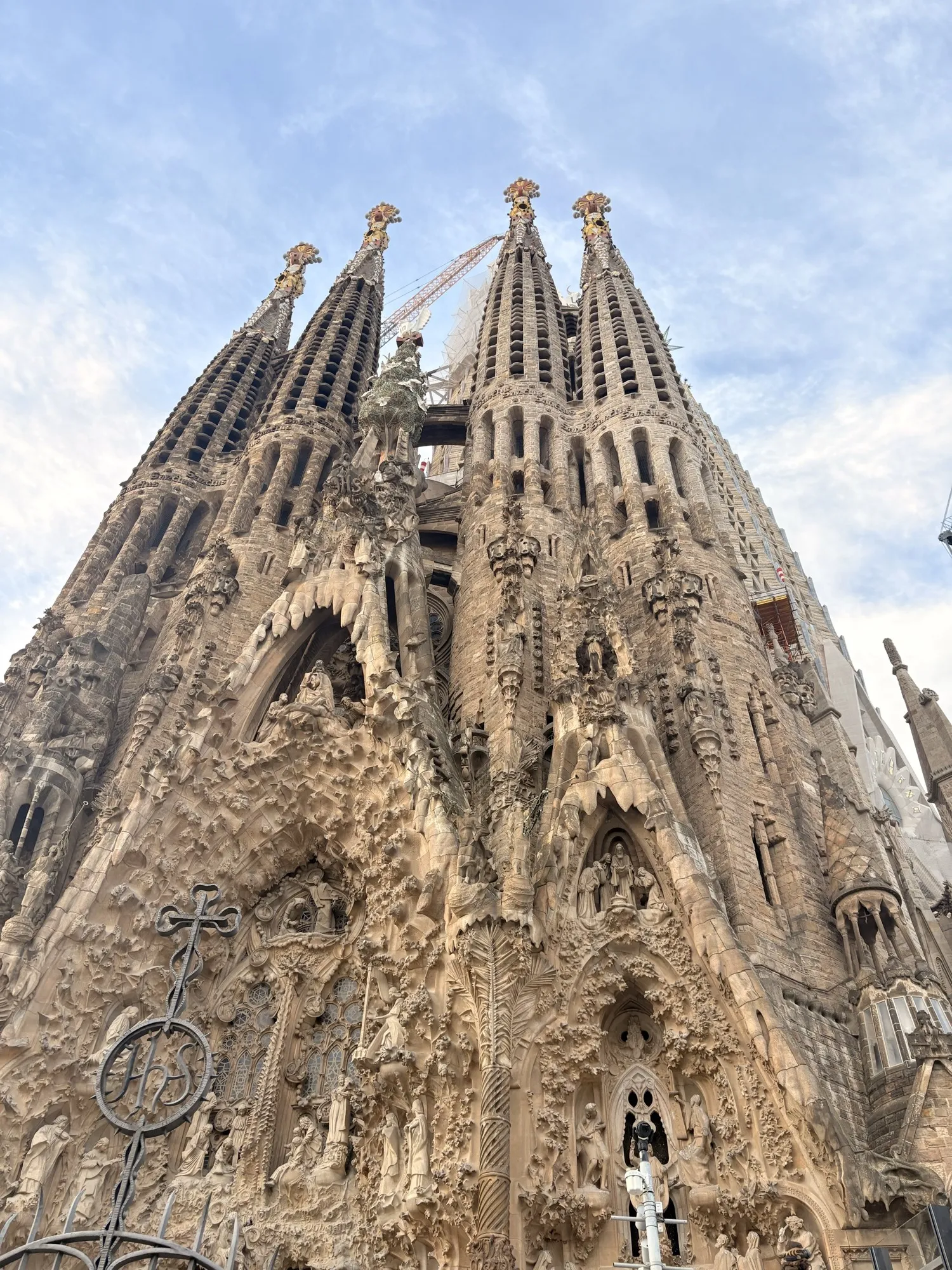
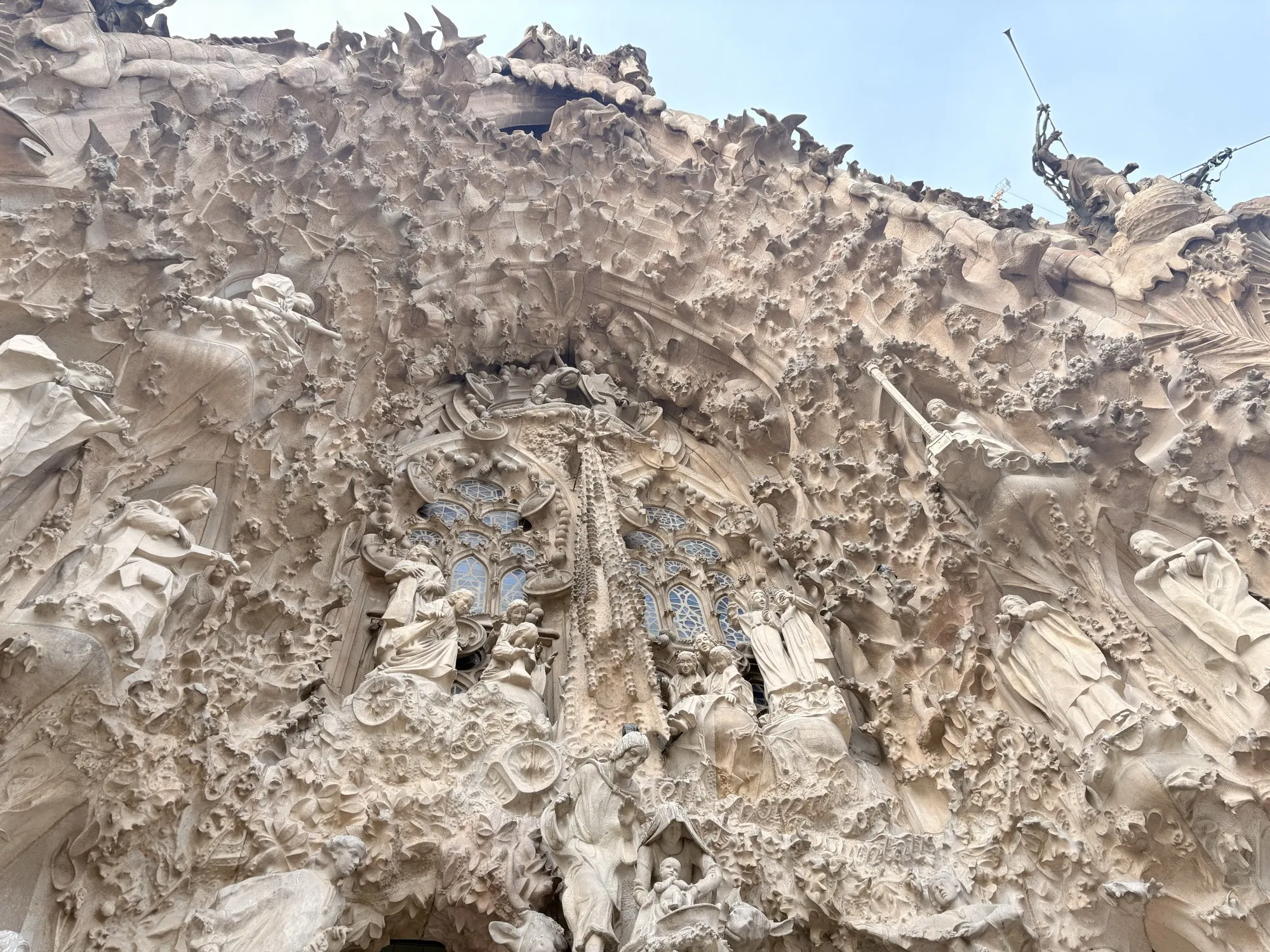
高迪的自然神学:诞生立面大门上方繁复细腻如熔岩滴落的石雕群像
🐉 2. 巴特罗之家:彩色龙脊天台与有机曲线 (Casa Batlló)
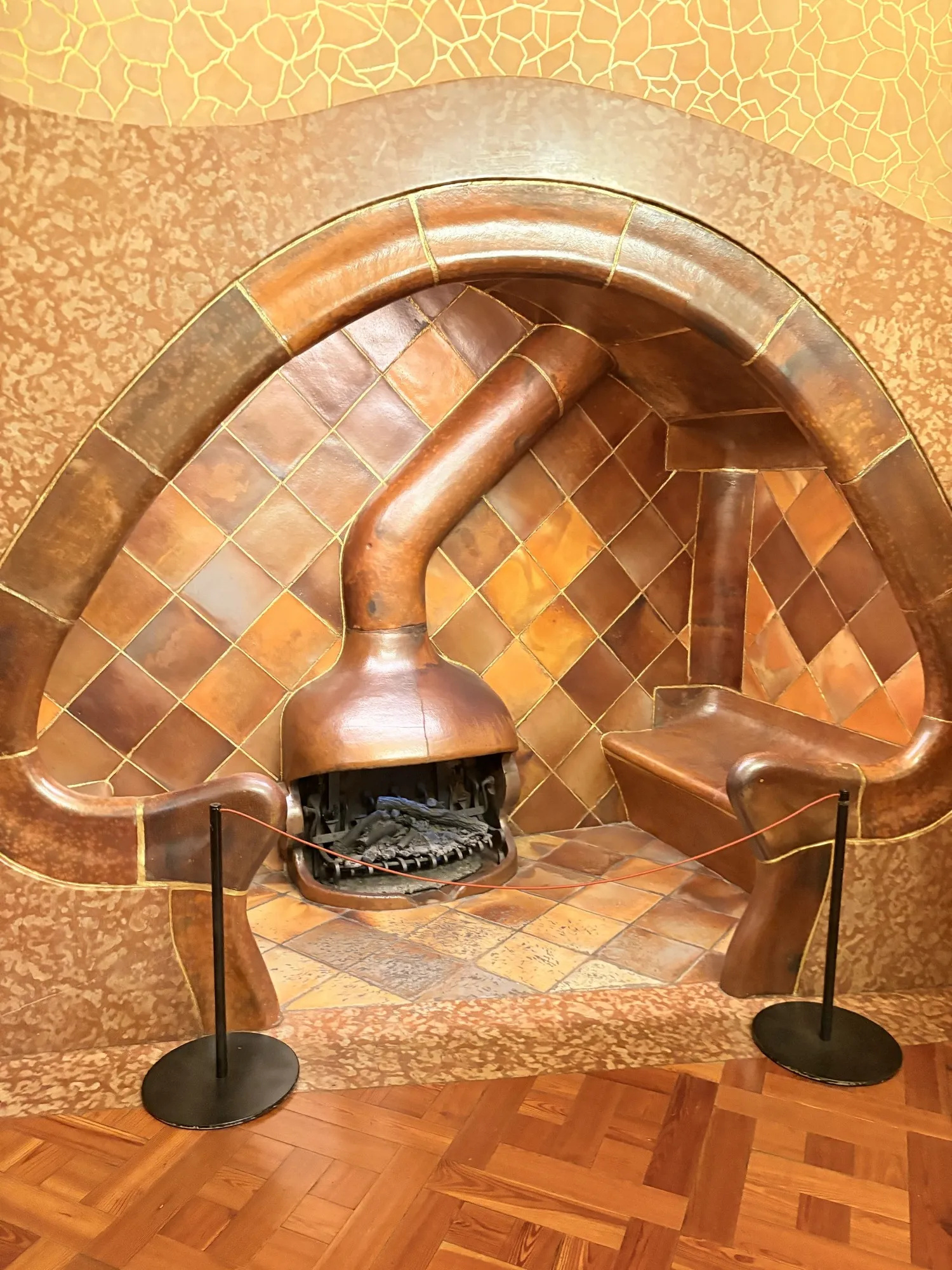
沿着繁华的格拉西亚大道 (Passeig de Gràcia) 漫步,巴特罗之家 (Casa Batlló) 宛如一座从童话与传说中生长出来的有机生命体。高迪在这座建筑里彻底摒弃了生硬的直线与死板的直角,取而代之的是如波浪起伏的墙体与酷似骨骼的挑空阳台。
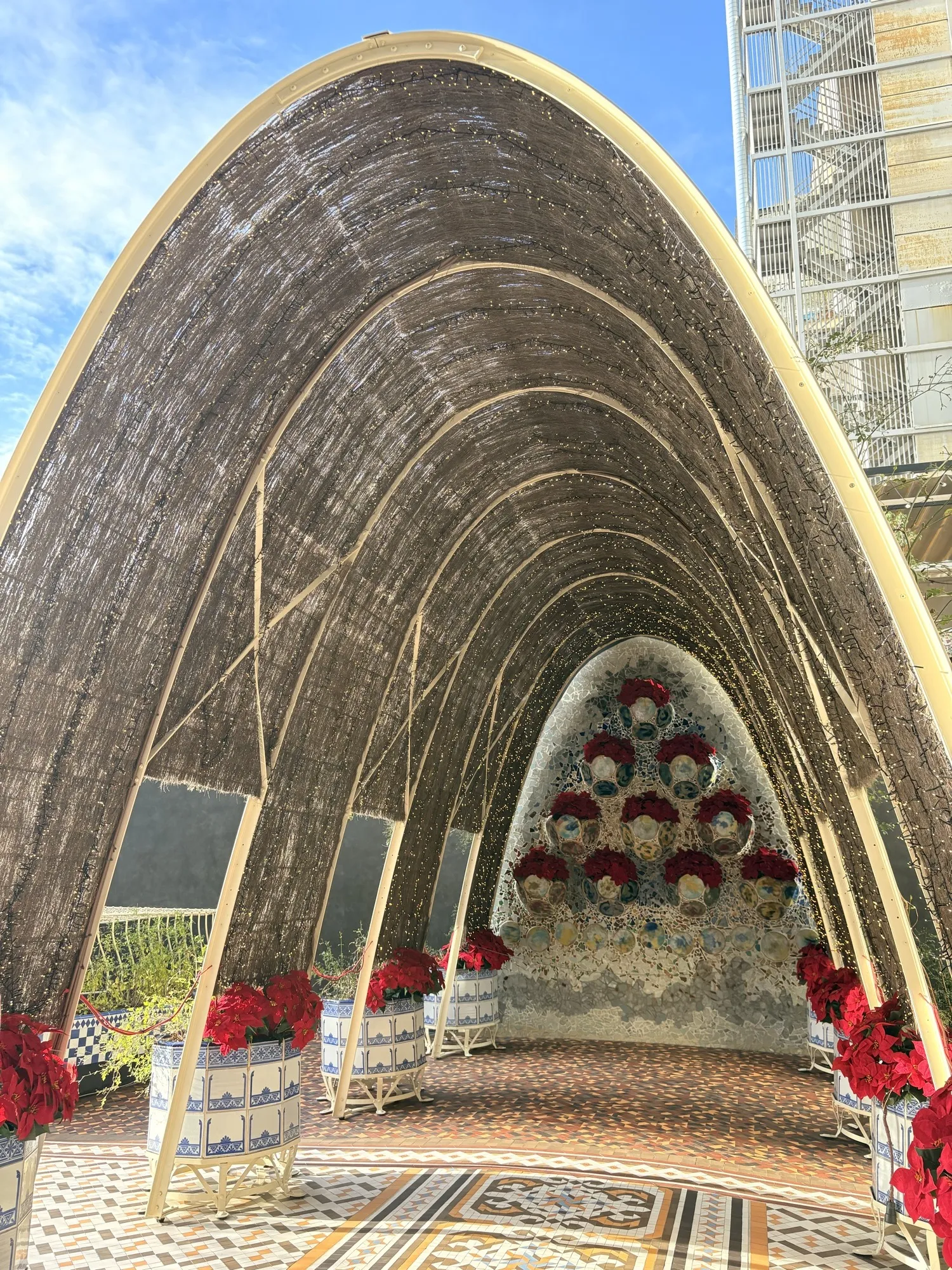
乘电梯直抵顶层天台,最为瞩目的莫过于屋顶宛如巨龙背脊般起伏的彩色鳞片瓦,以及形似大蒜与蘑菇簇拥的彩色陶瓷烟囱。陶瓷碎片以加泰罗尼亚独特的碎拼马赛克工艺 (Trencadís) 拼接,在湛蓝晴空下折射出瑰丽斑斓的琉璃光彩。步入室内回廊,顺着如龙骨脊椎般延展的木质扶梯拾级而下,中央天井以渐变蔚蓝瓷砖铺就,光线透过波纹玻璃洒下,宛若潜游于深邃灵动的海底龙宫。
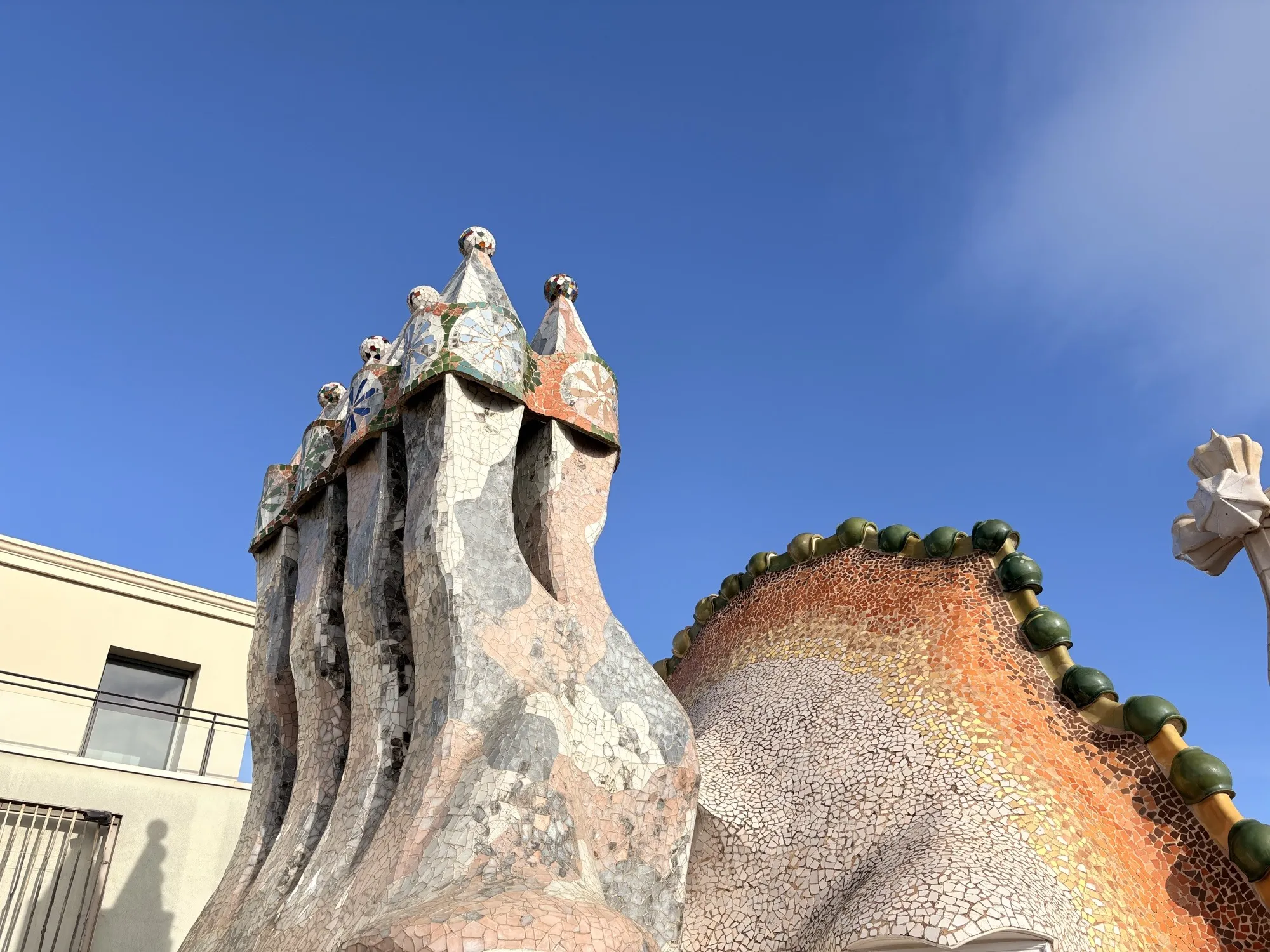
格拉西亚大道的龙之传奇:巴特罗之家天台宛如卧龙背脊的彩色鳞片与拼贴烟囱
🦎 3. 奎尔公园:碎拼马赛克长椅与童话姜饼屋 (Park Güell)
搭乘巴士沿着盘山坡道向上,来到坐落于卡梅尔山之巅的 奎尔公园 (Park Güell)。原本被规划为高档花园郊区的这片山林,在高迪手中变成了一座无与伦比的梦幻乌托邦。
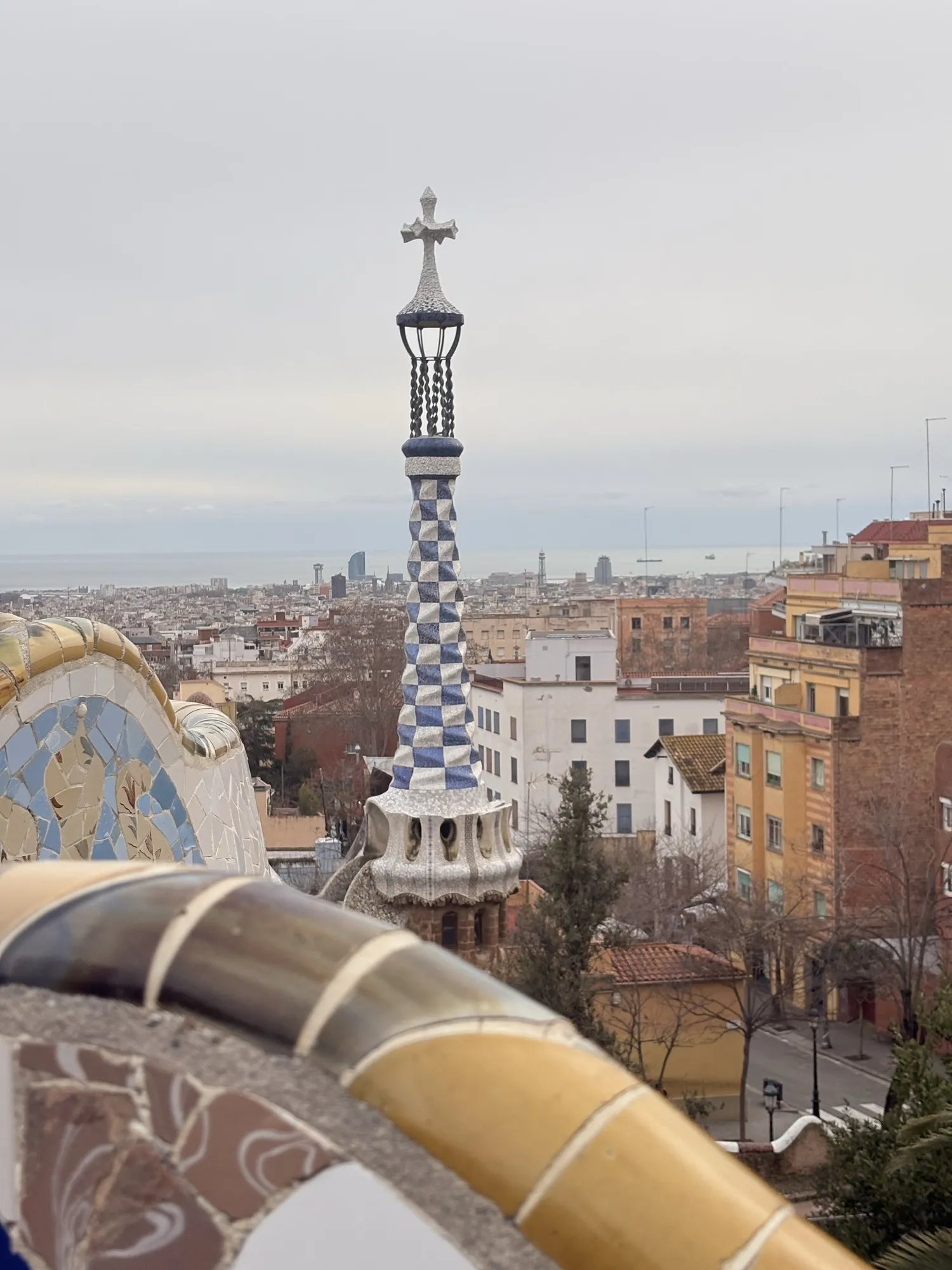
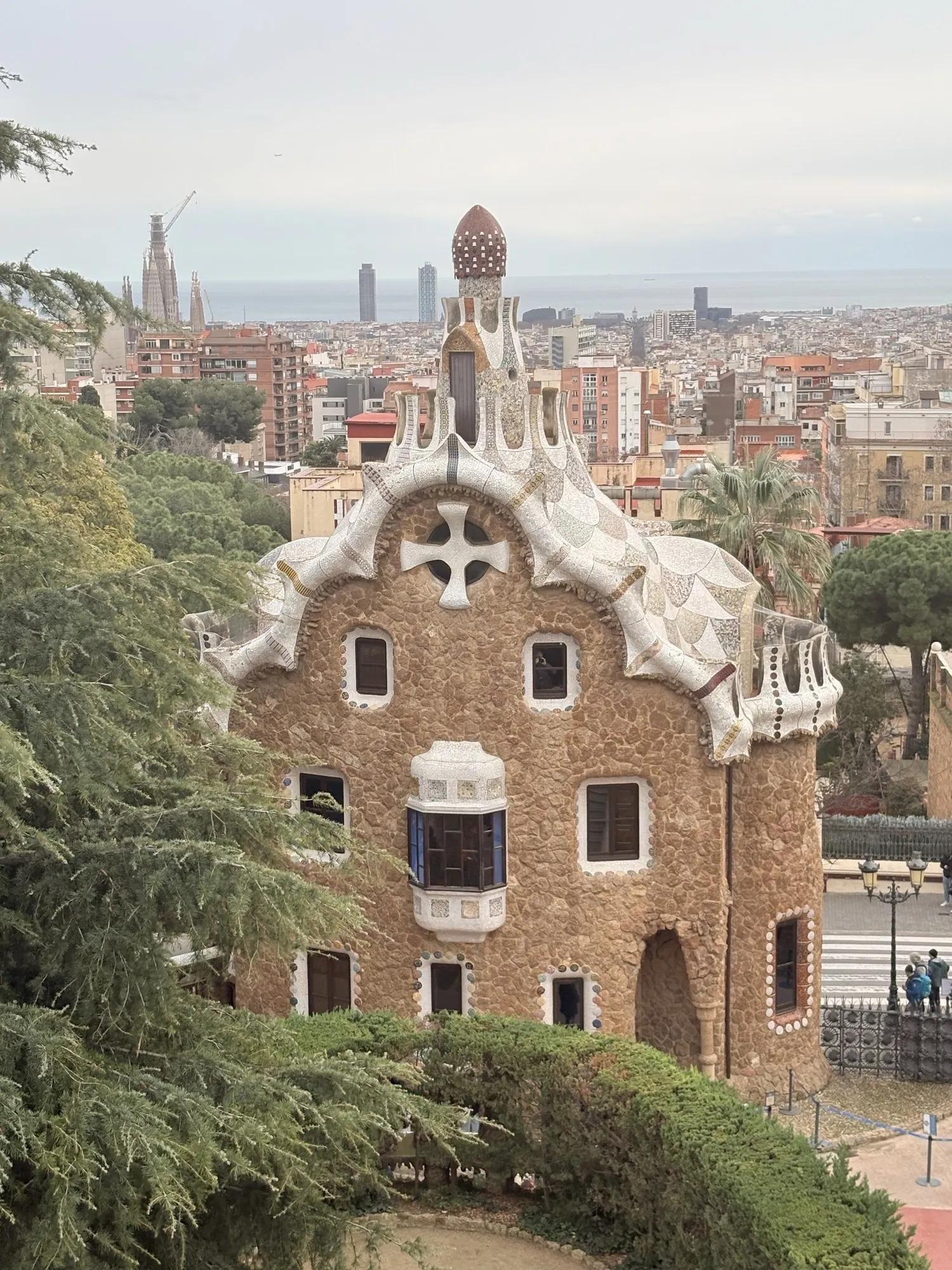
公园的核心自然广场上,环绕着世界上最长的波浪形彩色马赛克长椅。坐在这张完全贴合人体工学曲线的长椅边缘俯瞰,两座造型圆润、带着白糖霜般屋顶的“姜饼门卫屋”守候在入口两侧,深蓝色的地中海海平线与巴塞罗那整座棋盘格街区在远处铺展,连圣家堂挺拔的身影也清晰可见。清新的山风拂过树梢,斑斓的陶瓷碎片在阳光下跃动,令人不由自主沉醉在这份天马行空的浪漫童心之中。
🏛️ 4. 凯旋门、城堡公园与圣十字圣保罗医院 (Arc de Triomf & Hospital de Sant Pau)
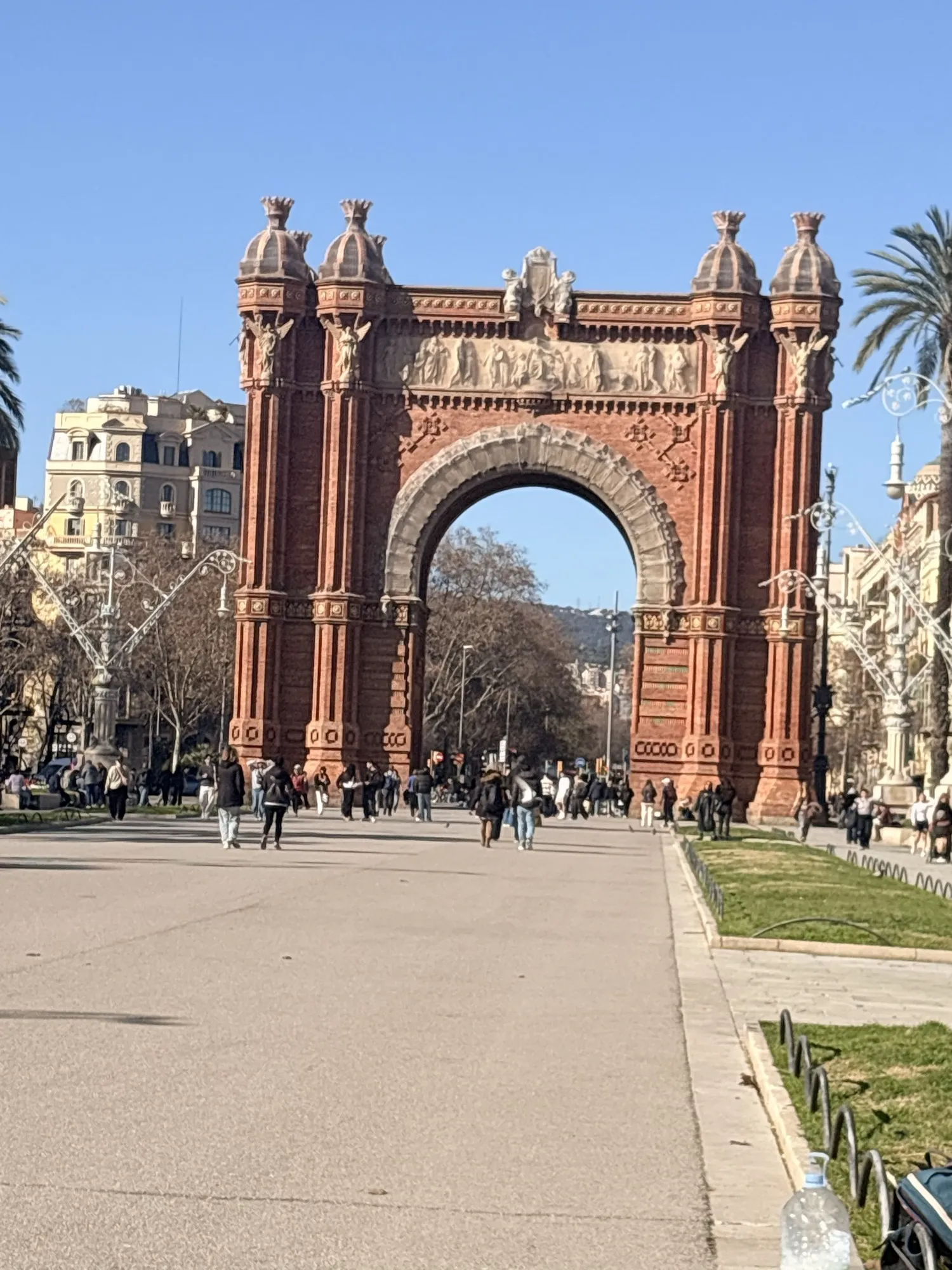
从山峦回到市中心平地,巴塞罗那展现出其多元宏大的十九世纪博览会遗产。沿着宽阔平坦的路易斯·孔帕尼斯大道 (Passeig de Lluís Companys) 漫步,眼前耸立的是 巴塞罗那凯旋门 (Arc de Triomf)。与巴黎灰色大理石凯旋门不同,这座为 1888 年世博会建造的门户采用加泰罗尼亚独特的红砖穆德哈尔风格 (Mudéjar),顶部的精致浮雕与棕榈树行道树构成了绝妙的明快景致。
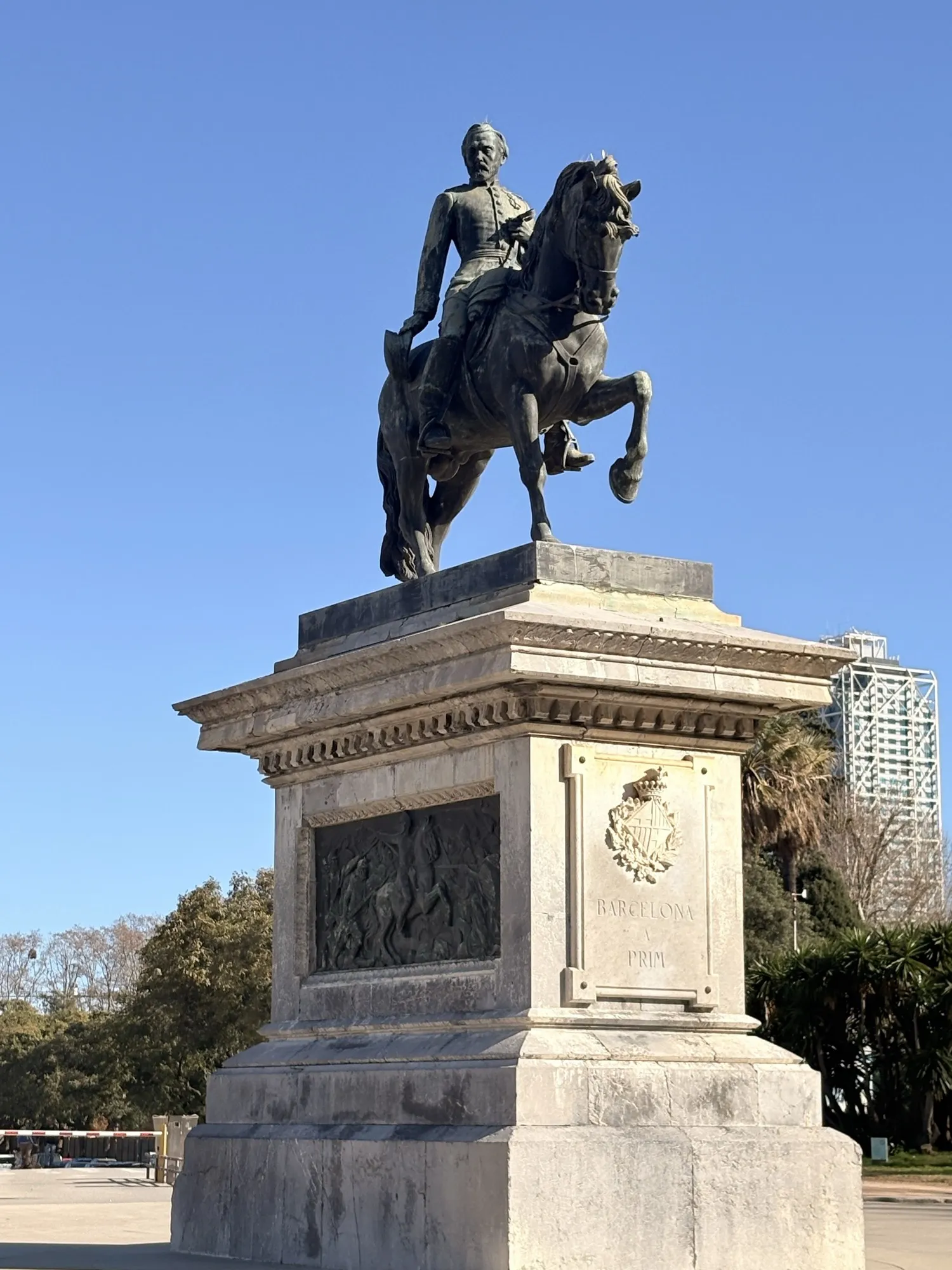
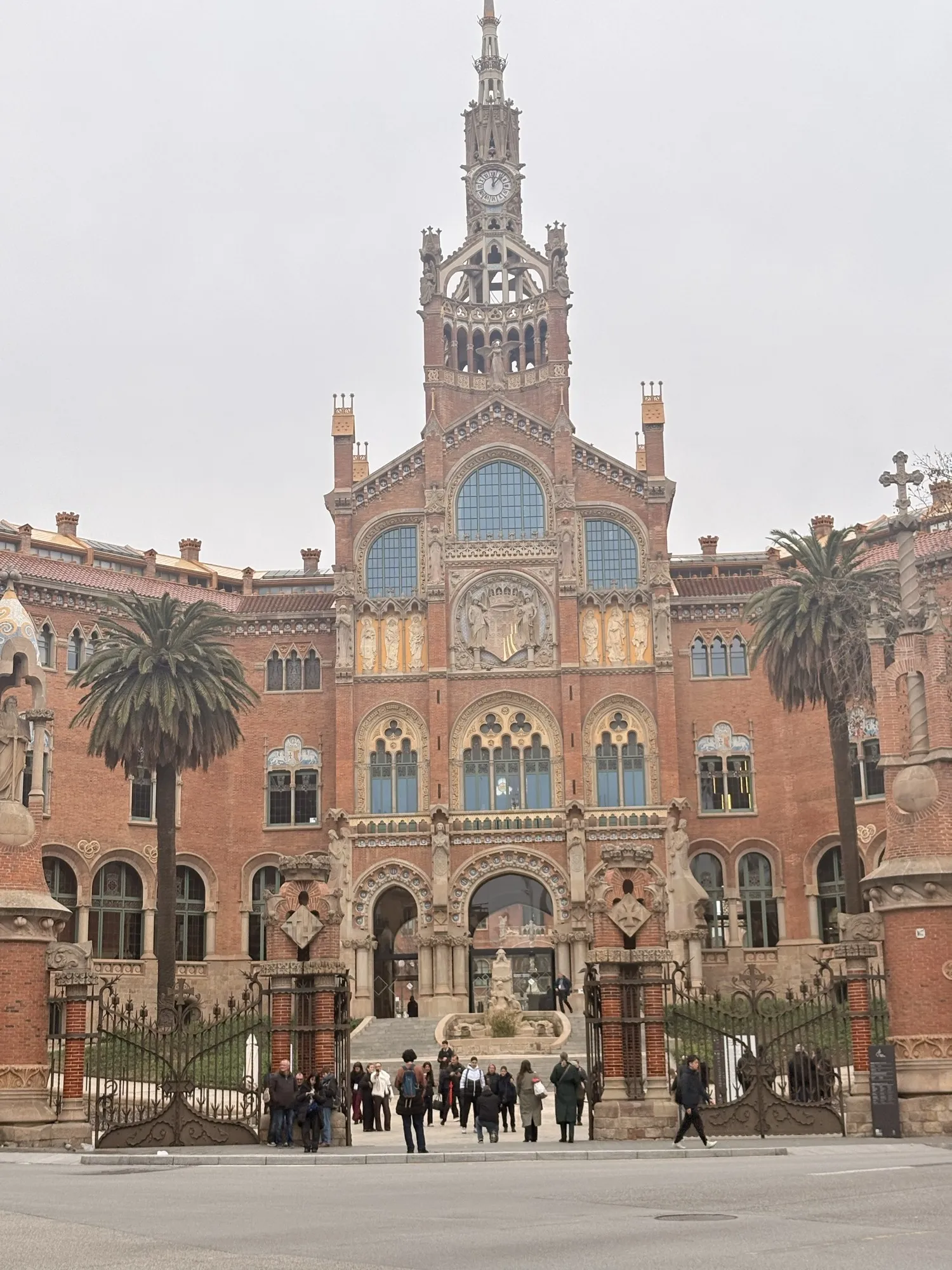
穿过凯旋门直通绿树成荫的 城堡公园 (Parc de la Ciutadella),广场上高耸着普里姆将军的青铜骑马雕像 (Monument al General Prim),游人在草坪晒太阳、漫步,鸽群自由掠过水池。如果向北漫步,更不可错过被列入联合国教科文组织世界遗产的 圣十字圣保罗医院 (Recinte Modernista de Sant Pau)。由现代主义大师多梅内克 (Lluís Domènech i Montaner) 操刀的这座红砖建筑群,钟楼挺拔,彩色琉璃瓦屋顶绚丽夺目,颠覆了世人对医院沉闷冰冷的刻板想象。
🌊 5. 哥特区主教座堂、巴塞罗内塔海滩与暖心烟火 (Barri Gòtic & Platja de la Barceloneta)
来到巴塞罗那最古老的心脏——哥特区 (Barri Gòtic)。幽深曲折的石砌小巷阻隔了外面的车马喧嚣,转过一个转角,宏伟壮观的 巴塞罗那主教座堂 (Catedral de la Santa Cruz y Santa Eulalia) 赫然矗立在眼前。新哥特式繁复精巧的尖拱石雕大门与飞扶壁挺拔向上,在午后澄澈的天空映衬下散发着沉稳静谧的历史威严。
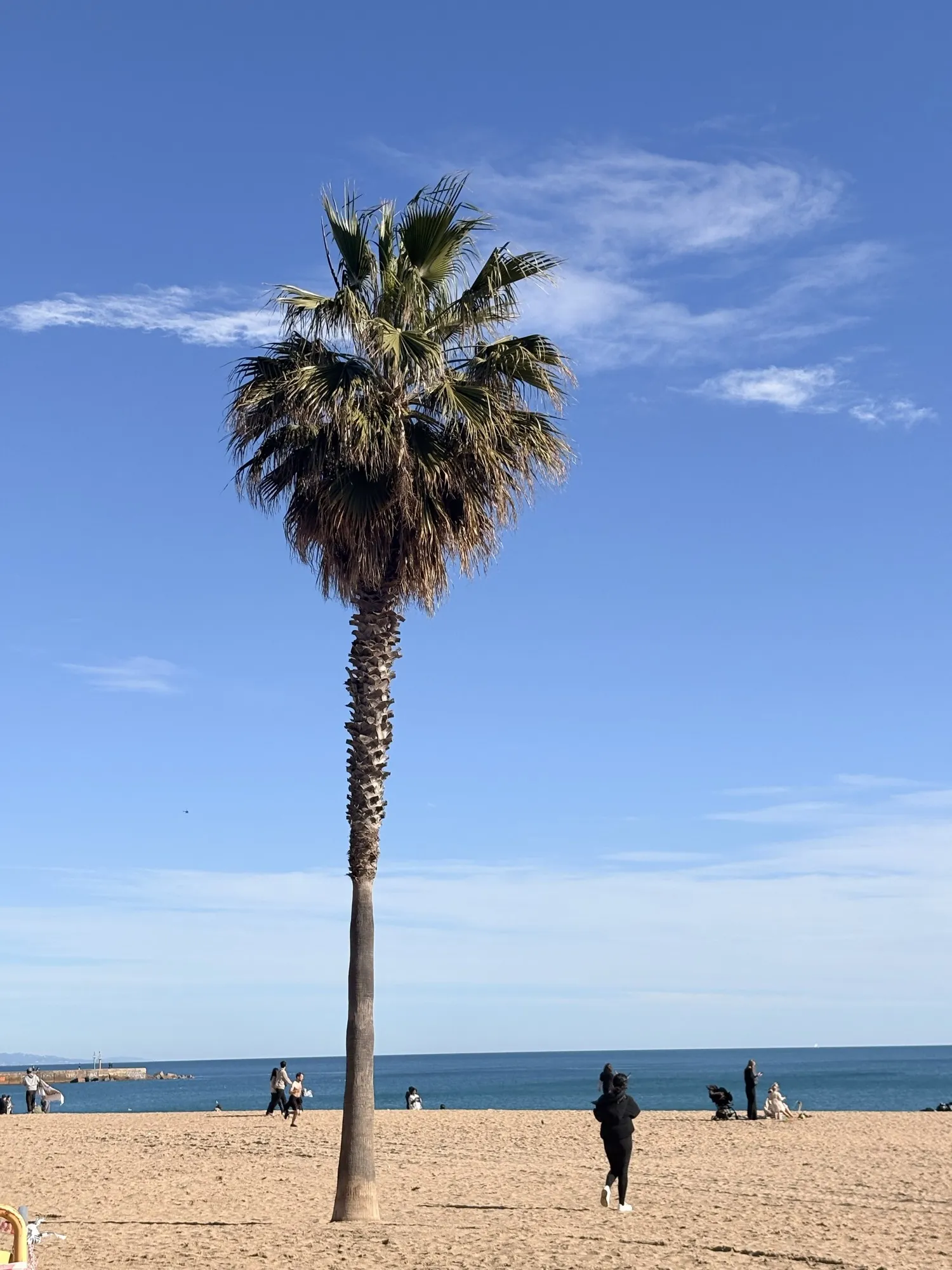
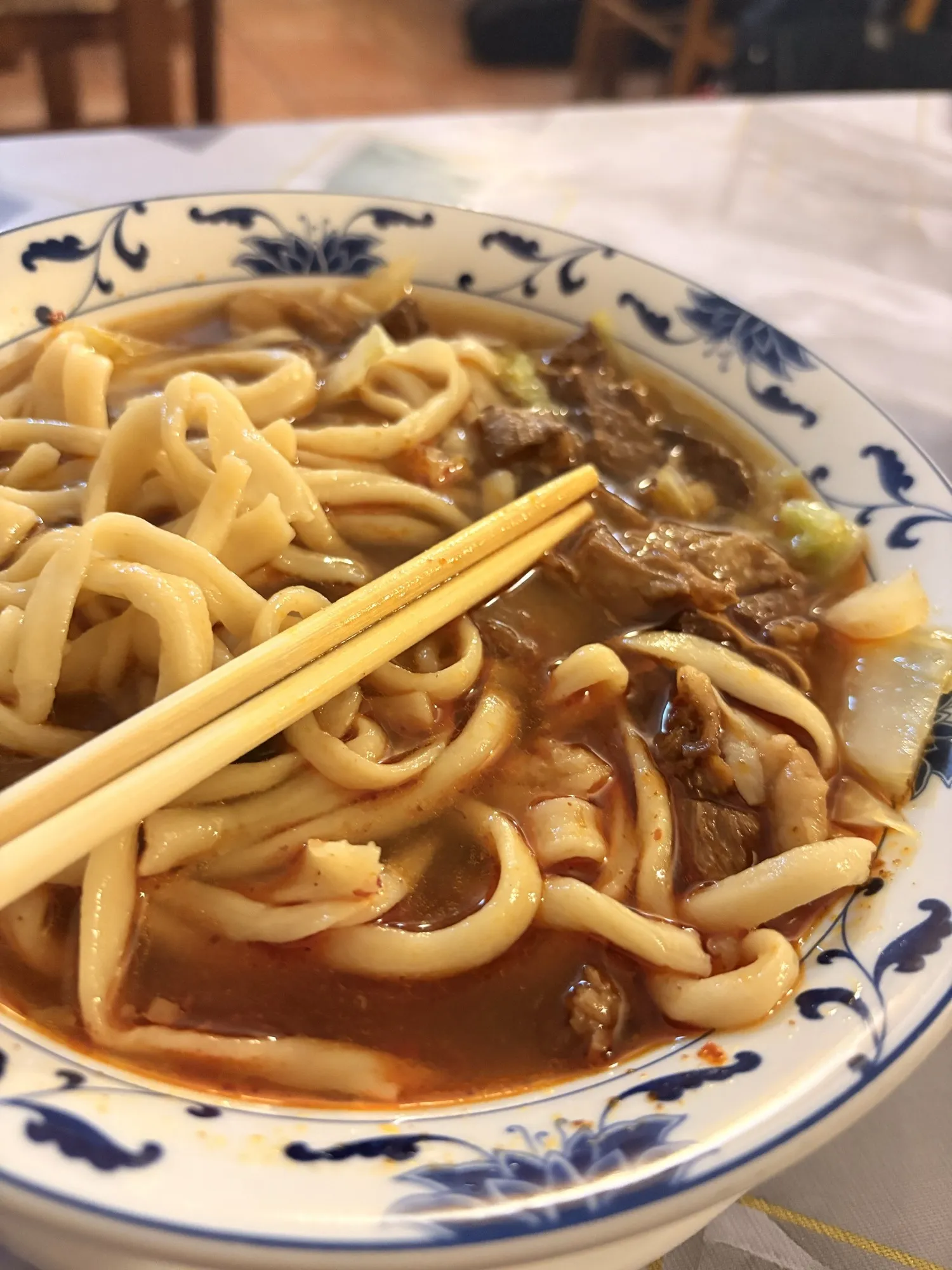
从哥特区的古老石巷一路向海滨延伸,穿过港区便抵达开阔的 巴塞罗内塔海滩 (Platja de la Barceloneta)。冬日的海滩没有盛夏的拥挤嘈杂,金黄色的细沙在阳光下暖意融融,一株孤独修长的棕榈树傲立在沙滩中央,远方蔚蓝的海水与海天相接。走累了在巷弄寻得一家暖意融融的面馆,一碗热气蒸腾的牛肉拉面下肚,浓郁的汤头与筋道的面条瞬间驱散了海风的微凉,给一天的漫步画上了最踏实舒适的句号。
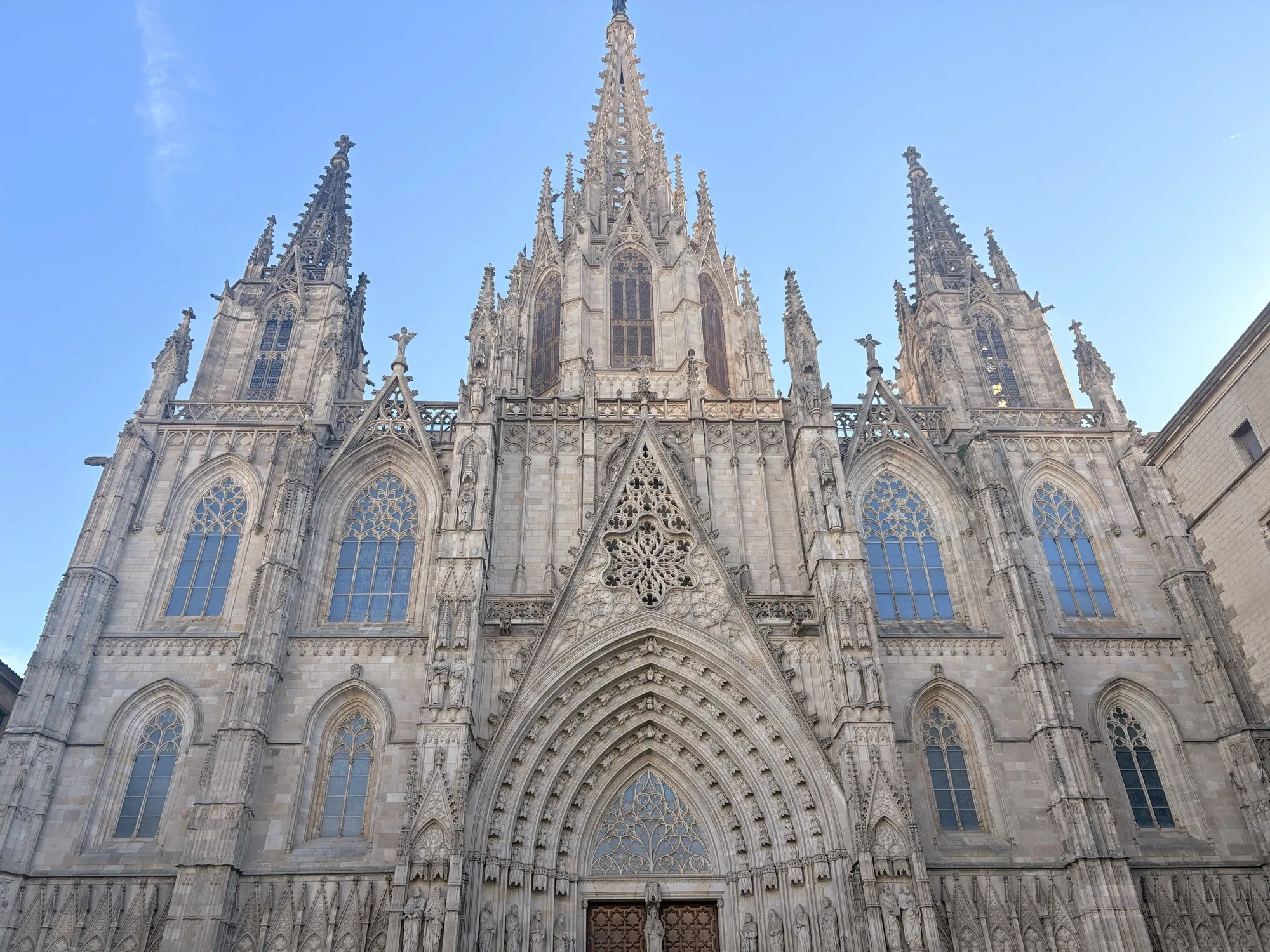
哥特区中心地标:巴塞罗那主教座堂 (Catedral de Barcelona) 庄严精细的尖拱立面
💡 6. 实用游玩避坑指南 (Travel Tips & Survival Guide)
巴塞罗那虽然美轮美奂,但作为欧洲最炙手可热的旅游重镇,出游前的预约规划与防坑技巧直接决定了旅行品质:
📍 Footprints: Basílica de la Sagrada Família ➔ Casa Batlló ➔ Park Güell ➔ Recinte Modernista de Sant Pau ➔ Arc de Triomf & Parc de la Ciutadella ➔ Catedral de Barcelona ➔ Platja de la Barceloneta
Wandering through winter Barcelona offers an unparalleled blend of crisp Mediterranean breezes, cerulean skies, and the organic architectural wonders of Catalonia. This travelogue compiles 14 authentic scenes documented during our 4-day exploratory journey through the city. Readers can use the sticky Book Table of Contents on the left (or the floating drawer on mobile devices) to navigate seamlessly across each spot and explore practical field survival tips.
⛪ 1. Basílica de la Sagrada Família: Twin Facades in Contrast
As Antoni Gaudí’s unfinished magnum opus, the Basílica de la Sagrada Família inspires profound awe whether viewed across city boulevards or studied inches away from its limestone carvings. The temple’s most enchanting characteristic lies in the breathtaking dialogue between its two main completed facades.
Morning sunlight bathes the northeastern Nativity Façade (Fachada del Nacimiento), where Gaudí transformed stone into lush living foliage, stalactites, and biblical tableaux, topped by four soaring openwork bell towers reaching toward the sky. Moving around to the southwestern Passion Façade (Fachada de la Pasión), the atmosphere shifts dramatically—austere, skeletal columns resemble human ribs and taut sinews, embodying raw emotional power. Stepping beneath the central portal of the Nativity, the cascades of hand-carved stone figures evoke an ancient cathedral growing organically from the earth.
Gaudí's theological organicism: cascading volcanic stone reliefs above the Nativity portal
🐉 2. Casa Batlló: The Dragon's Crest Rooftop & Living Curves
Strolling along the grand boulevard of Passeig de Gràcia, Casa Batlló rises like an organic organism plucked from mythical folklore. Here, Gaudí banished rigid right angles and straight lines entirely, crafting undulating sandstone facades and balconies that resemble primal bone masks.
An elevator ride to the rooftop reveals the building’s crowning achievement: an arched roofline scaled in iridescent glazed tiles that evoke the undulating spine of a sleeping dragon, flanked by whimsical mosaic chimneys resembling garlic bulbs. The tiles were assembled using the traditional Catalan trencadís mosaic method, glistening with polychrome reflections against the cobalt winter sky. Inside, the sweeping staircase flows like the backbone of an ancient sea creature, surrounding a central lightwell lined with progressive shades of azure blue tiles.
The Legend of Saint George on Passeig de Gràcia: Casa Batlló's dragon-back roof and mosaic chimneys
🦎 3. Park Güell: Serpentine Mosaics & Fairy-Tale Gatehouses
Winding uphill toward Carmel Hill brings you to Park Güell, initially conceived as an aristocratic garden city estate and transformed by Gaudí into an enchanting moderniste wonderland.
At the heart of the park lies the open-air Nature Square, encircled by the famous continuous serpentine mosaic bench. Sitting along its ergonomically contoured edge, one looks over two fairy-tale gingerbread pavilions with candy-cane mosaic spires flanking the park gates. In the distance, the geometric grid of Barcelona sweeps out toward the deep blue Mediterranean horizon, with the iconic profile of Sagrada Família easily spotted on the skyline. Cool sea breezes rustle through olive trees, while vibrant ceramic fragments gleam in the afternoon sun.
🏛️ 4. Arc de Triomf, Parc de la Ciutadella & Hospital de Sant Pau
Descending back to city level reveals Barcelona’s triumphant nineteenth-century international exhibition legacy. Wandering along the tree-lined pedestrian avenue of Passeig de Lluís Companys, the monumental Arc de Triomf commands the view. Unlike classical Roman triumphal arches, this gateway—erected for the 1888 Universal Exposition—is constructed from rich red brick in the neo-Mudéjar style, framed symmetrically by towering palm trees.
Passing beneath the arch leads into the verdant lawns of Parc de la Ciutadella, where the bronze equestrian statue of General Joan Prim stands prominently beneath cloudless skies as locals bask in the afternoon warmth. A short stroll north leads to another UNESCO World Heritage triumph: the Recinte Modernista de Sant Pau (Hospital de Sant Pau). Designed by Lluís Domènech i Montaner, this red-brick pavilion ensemble with its clock tower and polychrome domes redefines civic architecture with poetic optimism.
🌊 5. Barri Gòtic Cathedral, Barceloneta Beach & Warm Comfort
Venturing into the labyrinthine heart of Barcelona brings you to the medieval Gothic Quarter (Barri Gòtic). Narrow stone passageways shield out vehicular traffic until an alley suddenly opens onto the grand plaza fronting the Cathedral of the Holy Cross and Saint Eulalia (Catedral de Barcelona). Its soaring neo-Gothic facade, flying buttresses, and delicate pinnacles exude timeless dignity under the blue midday sky.
From the Gothic corridors, a southward walk through Port Vell leads to the wide golden sands of Barceloneta Beach (Platja de la Barceloneta). In winter, the beach sheds its frantic summer crowds: golden sand glows warm under the sun, a lone tall palm tree stands sentinel above the shore, and peaceful waves lap against the breakwater. After miles of urban wandering, ducking into a cozy neighborhood noodle shop for a steaming bowl of rich beef broth and hand-pulled noodles proves to be the ultimate comforting antidote to the sea breeze.
The heart of the medieval district: the monumental facade of Barcelona Cathedral (Catedral de Barcelona)
💡 6. Practical Field Guide & Survival Tips
Barcelona is a dream destination, but as one of Europe’s premier travel hubs, advance planning and smart street wisdom make all the difference: